
What's new in the Global Refugee Network (Release 2.7.0)

Release 2.7.0 of the Global Refugee Network (GRN), out on 16 October 2026, builds on the AI matching we introduced in September and is shaped by its first weeks of real use. Matching now explains itself: as well as finding candidates for a job, it can show why they fit.
This is a smaller, more focused release than usual. We kept the cycle short so improvements reach people sooner, and you can expect more frequent, targeted releases from now on. Here is what changed, and who it helps.
Watch: AI matching in three short videos
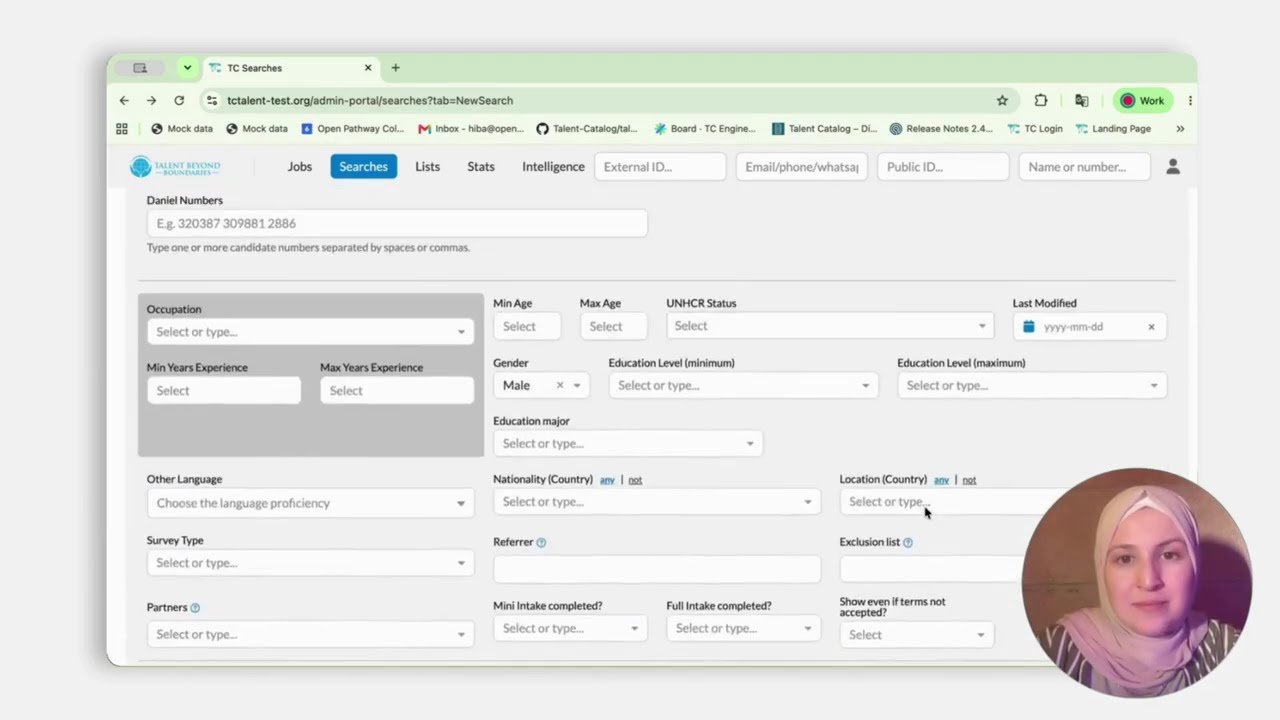
Part 1: Getting started with AI matching. Run a search and see how candidates are ranked.
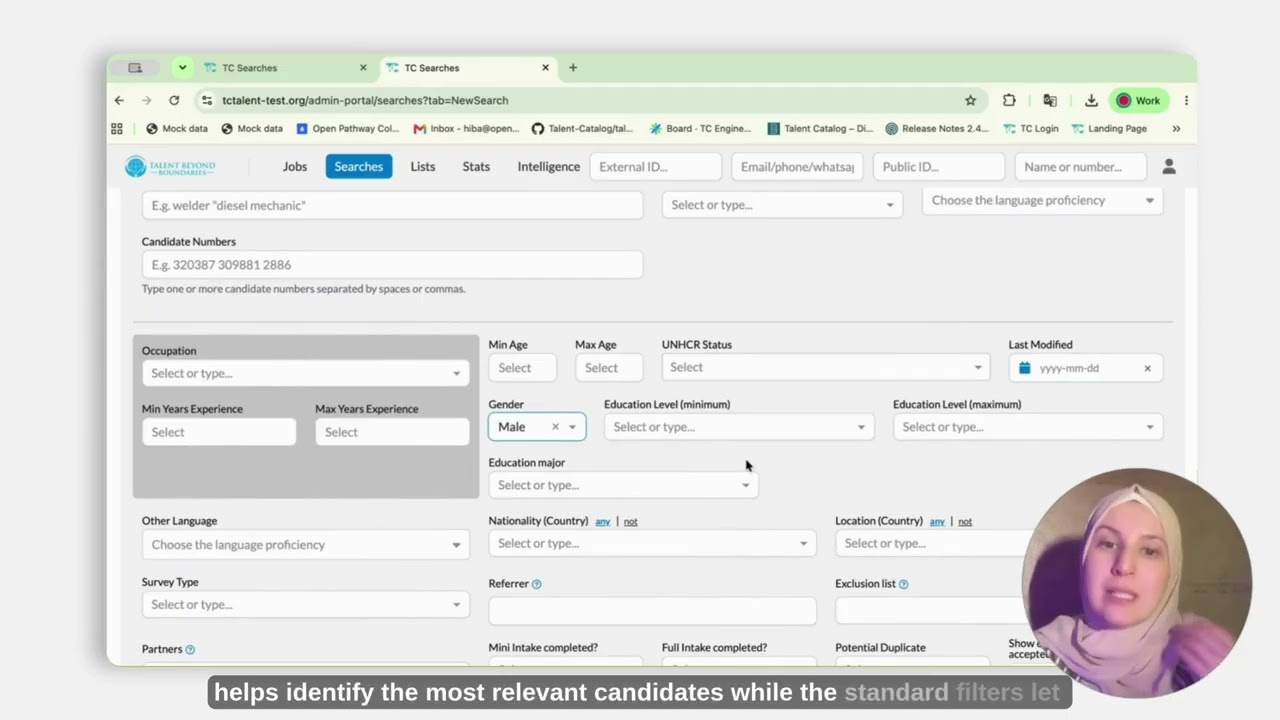
Part 2: Best of both worlds. How AI matching works alongside the standard search filters.
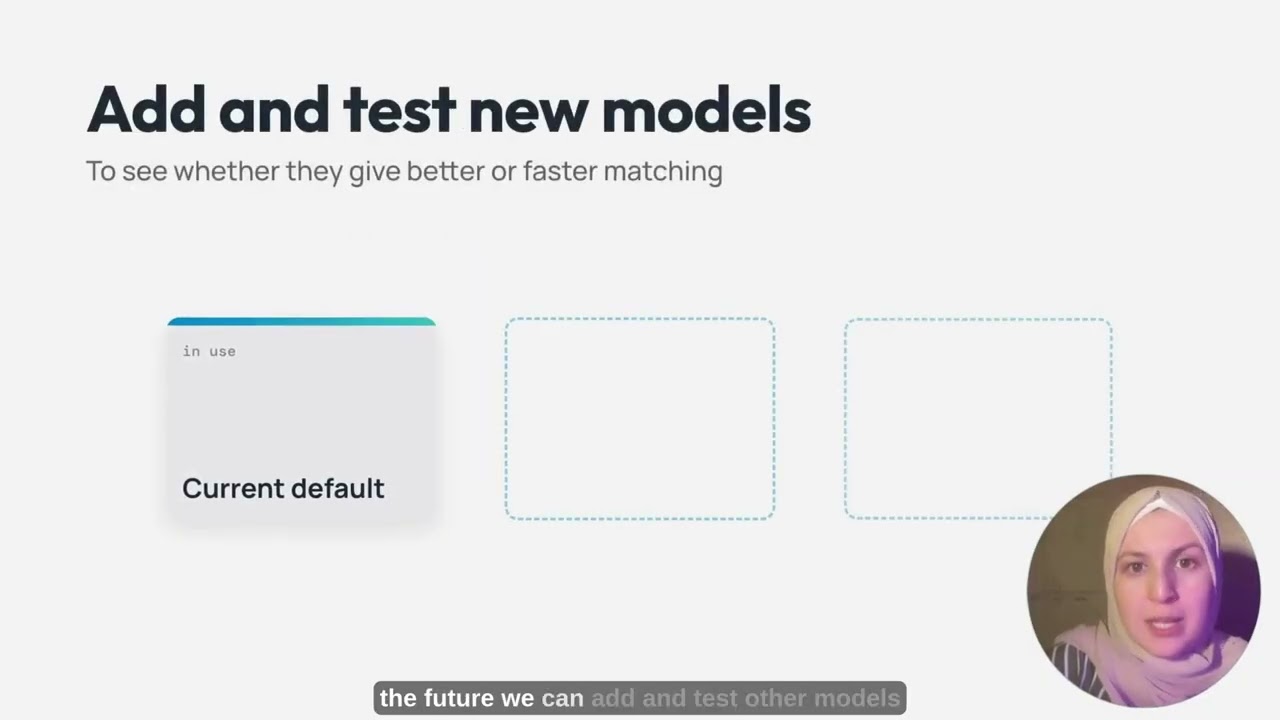
Part 3: Behind the scenes. How new AI models can be added and tested.
For refugee candidates
Your experience, understood in your own words. You don't need to use an employer's exact phrasing to be found. Matching recognises related skills and experience. This release also improves how accurately your work history is read: formatting carried in with pasted text no longer gets in the way of the skills we pick up.
A fuller picture of what you have done. When you are matched to a job, the people helping you can now read a written assessment of how each of your past roles relates to it. Your experience gets proper consideration, not just a quick scan.
People still make the decisions. These explanations help the people supporting you to understand a match. They don't replace their judgement. The AI that writes them sees only the job requirements and your job titles and descriptions, never your name or contact details. Nothing changes in how you fill in your profile.
For organisations supporting refugees
Ask why a candidate was matched. This is the main change. Click “Show match explanation” for any candidate in a matching search or a submission list, and you get:
- a plain language summary of the fit
- an assessment of each relevant role
- a note of anything missing or too thin to judge.
The gaps are as visible as the strengths. Explanations are dated, name the model that wrote them and are saved against the job. A decision made today can still be understood months later by someone who wasn't there. Each explanation is a guide for the person deciding, not a decision.
See what matching is matching on. Skills picked out of a job description now show as tags, and the same skills are highlighted in each candidate's experience. The slider is now labelled “Specific skills” and “Broader experience”, so the choice is obvious.
Saved searches that keep up with you. Change the filters on a saved search and click Search, and your changes are kept. Saved search exports include them too.
One thing has gone. CSV export is no longer offered on searches that use AI matching, because the export didn't represent those results properly. Export on standard searches is unchanged.
The right details for the right people. Partner staff now see the candidate information their role entitles them to. Previously, some saw less than they should have.
For service partners considering integration
Access that respects roles. Each partner organisation sees the candidate information it is authorised to see, no more and no less.
Neutral by design. ID card scanning no longer carries one organisation's branding, which makes room for more types of card and more providers over time.
Fewer moving parts. We have retired the legacy search engine and moved key infrastructure into Open Pathway Collective's own cloud account, so there is less to maintain.
Built in the open. The software is open source, so every change is public.
For open source developers
A hybrid approach to AI matching. Embeddings do the fast, large scale matching, blending keyword and meaning based ranking. A language model then explains each match. It is currently the open weight Qwen3 235B, accessed through Amazon Bedrock, at roughly 30 explanations per US cent. Part 3 of the video series shows how new models can be added and tested.
A lighter stack to run. Elasticsearch has been fully removed from the code, configuration and Terraform. The Terraform README now covers first time environment setup.
Cleaner foundations.
- Around 2,200 lines of legacy text parsing code removed.
- Shared UI components moved to Angular's standalone style.
- A new architecture decision record on Postgres conventions (ADR 005).
- GitHub Actions updated to versions compatible with Node.js 24 across four repositories.
Performance, tested continuously. Performance regression testing has begun. From release 2.8, every staging deployment will run Playwright and Gatling checks and report whether performance held, wavered or regressed.
Thank you
Every release is shaped by the engineers, partners and candidates who tell us what matters, and this one especially by the early users of AI matching.
If your organisation would like to join the Global Refugee Network, or you would like to contribute to the platform, visit openpathwaycollective.org.
Full technical notes for this release: talent-catalog.github.io/talentcatalog/v270